Abstract
Landfill leachate, a highly complex and toxic wastewater, which poses significant environmental and public health risks due to its heavy metal content. The ubiquitous presence of toxic metals such as lead, cadmium, mercury, arsenic, and chromium in leachate poses significant environmental and health risks, necessitating efficient and economical remediation strategies. Traditional methods, while effective, can be prohibitively expensive, especially for large-scale operations or in regions with limited financial resources. Consequently, there is a growing imperative to identify and implement treatment solutions that balance efficacy with affordability. This includes exploring the potential of widely available and low-cost adsorbents like agricultural by-products (e.g., rice husks, banana peels, sawdust), industrial wastes (e.g., fly ash, blast furnace slag), and natural minerals (e.g., zeolites, clays). Furthermore, innovative technologies such as constructed wetlands, bio-sorption using specific microbial communities, and electrochemical methods utilizing inexpensive electrodes are being investigated for their economic viability and environmental sustainability. The overarching goal is to develop practical, scalable, and cost-efficient approaches to mitigate metal pollution from leachate, thereby safeguarding water resources and public health. The focus on cost-effectiveness is intrinsically linked to the principles of sustainable waste management. Leachate treatment often represents a significant operational cost for landfill operators, and the economic burden can impede the adoption of necessary environmental protection measures. Therefore, research into low-cost materials and technologies is paramount. This abstract will critically review the performance of various cost-effective adsorbents, considering their adsorption capacity, selectivity for specific metals, regeneration potential, and operational stability. It will also delve into the technological aspects of implementing these solutions, evaluating factors such as energy consumption, land footprint, and ease of operation and maintenance. The integration of these affordable materials and technologies into existing leachate management infrastructure is explored, with an emphasis on their potential to reduce overall treatment costs and enhance the long-term sustainability of landfill operations. By highlighting these economically viable options, this work aims to provide a comprehensive overview for researchers, engineers, and policymakers seeking practical solutions for effective and affordable heavy metal removal from leachate.
Keywords
Leachate, Heavy Metals, Cost-Effective, Adsorption, Biosorption, Phytoremediation, Low-Cost Materials, Wastewater Treatment
1. Introduction
Solid waste disposal in landfills is a prevalent practice worldwide, but it inevitably leads to the generation of leachate. Leachate is a highly contaminated liquid formed when rainwater infiltrates the landfill, percolates through the waste, and leaches out soluble and suspended materials
| [1] | Ahmaruzzaman, M. (2010). A review on the utilization of fly ash as a raw material for the synthesis of zeolites and adsorption of pollutants from wastewater. Earth-Science Reviews, 103(3-4), 205-223. |
| [2] | Anwar, J., Shafique, U., Waheed-uz-Zaman, Salman, M., Dar, A., and Anwar, S. (2010). Removal of Pb (II) from aqueous media by adsorption on a novel Biosorbent—Citrus reticulate (kinnow) peel. Journal of Hazardous Materials, 179(1-3), 541-545. |
| [3] | Aziz, S. Q., Aziz, H. A., Bashir, M. J. K., and Alias, S. (2004). Biological treatment of landfill leachate using a sequencing batch reactor (SBR) technology. Malaysian Journal of Civil Engineering, 16(2), 1-13. |
| [4] | Bazrafshan, E., Mohammadi, L., Ansari, M., and Kazemnejad, V. (2015). Heavy metals removal from aqueous environments by electrocoagulation process: A review. Journal of Environmental Health Science and Engineering, 13(1), 74. |
| [5] | Bhattacharyya, K. G., and Gupta, S. S. (2008). Adsorption of a few heavy metals on natural and modified kaolinite and montmorillonite: A review. Advances in Colloid and Interface Science, 140(2), 114-131. |
| [6] | Cath, T. Y., Childress, A. E., and Elimelech, M. (2006). Forward osmosis: Principles, applications, and recent developments. Journal of Membrane Science, 281(1-2), 70-87. |
| [7] | Christensen, T. H., Kjeldsen, P., Albrechtsen, P., Heron, G., Nielsen, P. H., Bjerg, P. L., and Holm, P. E. (1994). Attenuation of landfill leachate pollutants in aquifers. Critical Reviews in Environmental Science and Technology, 24(2), 119-202. |
[1-7]
. Its composition is highly heterogeneous and varies significantly depending on the age of the landfill, waste composition, climatic conditions, and operational practices. Characteristically, landfill leachate contains high concentrations of organic matter (measured as biochemical oxygen demand, BOD, and chemical oxygen demand, COD), ammonia nitrogen, chlorides, sulfates, and a wide array of inorganic pollutants, including various metals and heavy metals
| [19] | Kjeldsen, P., Barlaz, M. A., Rooker, A. P., Baun, A., Christensen, T. H., and Lijmbach, J. A. M. (2002). Present and long-term composition of MSW landfill leachate: A review. Critical Reviews in Environmental Science and Technology, 32(4), 297-336. |
| [28] | Renou, S., Givaudan, J. G., Poulain, S., Dirassouyan, F., and Moulin, P. (2008). Landfill leachate treatment: Review and comparison of processes. Waste Management, 28(11), 2233-2250. |
[19, 28]
.
Heavy metals, defined as metallic elements with relatively high densities that are toxic or poisonous at low concentrations, pose a severe threat to the environment and human health
| [9] | Duffus, J. H. (2002). “Heavy metals”—A meaningless term? Pure and Applied Chemistry, 74(5), 793-807. |
[9]
. Common heavy metals found in leachate include iron (Fe), manganese (Mn), zinc (Zn), copper (Cu), lead (Pb), cadmium (Cd), chromium (Cr), nickel (Ni), arsenic (As), and mercury (Hg). These elements are non-biodegradable and tend to accumulate in biological systems, leading to bioaccumulation and biomagnification in the food chain
| [35] | Wang, J., and Chen, C. (2006). Biosorption of heavy metals by Saccharomyces cerevisiae: A review. Biotechnology Advances, 24(5), 427-451. |
[35]
. Their presence in leachate can lead to severe contamination of groundwater, surface water bodies, and soil, impacting aquatic life, agricultural productivity, and human health through direct consumption or food chain transfer
| [10] | Ettler, V. (2016). Soil contamination near landfills: A review. Environmental International, 96, 172-192. |
[10]
. Therefore, effective treatment of landfill leachate, particularly for the removal of heavy metals, is crucial before its discharge into the environment or reuse.
Traditional leachate treatment technologies include chemical precipitation, coagulation-flocculation, adsorption (primarily using activated carbon), membrane filtration (reverse osmosis, nanofiltration), and ion exchange. While many of these methods are effective in metal removal, they often suffer from significant drawbacks, such as high operational costs, energy intensiveness, generation of large volumes of secondary sludge requiring further treatment and disposal, and susceptibility to fouling
| [11] | Foo, K. Y., &Hameed, B. H. (2010). Adsorption of a basic dye onto activated carbon prepared from rattan sawdust: Isotherm, kinetic and thermodynamic analyses. Chemical Engineering Journal, 156(1), 191-198. |
| [17] | Jain, N., Jain, V. K., Sharma, M. K., and Sastry, M. S. R. (2011). A review of physico-chemical treatment methods for landfill leachate. International Journal of Environmental Research, 5(4), 1007-1025. |
[11, 17]
. These limitations make them economically challenging, particularly for developing countries or for landfills with limited resources.
The pressing need for sustainable and economically viable solutions has driven research towards the development and application of cost-effective materials and technologies for heavy metal removal from leachate. Cost-effectiveness, in this context, refers not only to the initial capital investment but also to operational expenses, material costs, energy consumption, waste generation, and the potential for resource recovery. This review paper aims to provide a comprehensive overview of various cost-effective approaches for the removal of metals and heavy metals from leachate, critically assessing their principles, advantages, limitations, and overall applicability. The focus will be on innovative materials and technologies that offer high removal efficiencies with reduced environmental footprints and economic burdens.
2. Characteristics and Environmental Impact of Landfill Leachate
Understanding the varying characteristics of landfill leachate is fundamental to selecting appropriate treatment technologies. Leachate composition is dynamic and undergoes significant changes over the lifetime of a landfill, typically categorized into young, intermediate, and stabilized phases
| [19] | Kjeldsen, P., Barlaz, M. A., Rooker, A. P., Baun, A., Christensen, T. H., and Lijmbach, J. A. M. (2002). Present and long-term composition of MSW landfill leachate: A review. Critical Reviews in Environmental Science and Technology, 32(4), 297-336. |
[19]
.
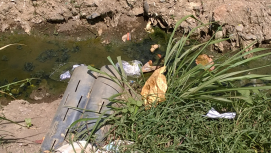
Figure 1. Landfill leachate.
2.1. Leachate Characteristics
2.1.1. Young Leachate (0-5 years)
Characterized by high concentrations of readily biodegradable organic matter (high BOD/COD ratio, typically >0.5), volatile fatty acids (VFAs), high ammonia nitrogen, and relatively low heavy metal concentrations. The pH is generally acidic (5.5-6.5) due to anaerobic decomposition.
2.1.2. Intermediate Leachate (5-10 years)
As the landfill ages, anaerobic decomposition progresses, consuming VFAs and leading to an increase the pH of leachate in the range of 6.5-7.5. The BOD/COD ratio decreases (<0.2), indicating a higher proportion of refractory organic compounds. Heavy metal concentrations may increase as the waste matrix stabilizes.
2.1.3. Stabilized (Old) Leachate (>10 years)
Dominated by humic and fulvic acids (recalcitrant organic matter), a very low BOD/COD ratio (<0.1), high ammonia nitrogen, and elevated concentrations of inorganic constituents, including heavy metals. The pH is typically neutral to alkaline (7.5-8.5).
Beyond these general phases, specific waste inputs (e.g., industrial waste, electronic waste, construction and demolition waste) can significantly alter the leachate's metal profile
| [10] | Ettler, V. (2016). Soil contamination near landfills: A review. Environmental International, 96, 172-192. |
[10]
. Common heavy metals detected in problematic concentrations include Fe, Mn, Zn, Cu, Pb, Cd, Cr, Ni, As, and Hg, originating from batteries, electronic goods, building materials, and various household items. These metals can exist in various forms (dissolved ions, complexed with organic matter, precipitated solids, or colloidal particles), which influences their mobility and treatability.
2.2. Environmental and Health Impacts
The uncontrolled release of leachate, particularly if laden with heavy metals, has severe environmental and health consequences as mentioned in the below.
2.2.1. Groundwater Contamination
Leachate infiltration is a primary cause of groundwater pollution around landfills. Heavy metals, being persistent, can contaminate aquifers, rendering them unsuitable for drinking water or irrigation
| [7] | Christensen, T. H., Kjeldsen, P., Albrechtsen, P., Heron, G., Nielsen, P. H., Bjerg, P. L., and Holm, P. E. (1994). Attenuation of landfill leachate pollutants in aquifers. Critical Reviews in Environmental Science and Technology, 24(2), 119-202. |
[7]
.
2.2.2. Surface Water Contamination
Direct discharge or runoff from landfills into rivers, lakes, and streams can lead to severe aquatic ecosystem degradation. Heavy metals accumulate in sediments and aquatic organisms, affecting biodiversity and potentially entering the human food chain
| [10] | Ettler, V. (2016). Soil contamination near landfills: A review. Environmental International, 96, 172-192. |
[10]
.
2.2.3. Soil Contamination
Leachate percolation contaminates soil, reducing its fertility, harming microbial communities, and accumulating in crops, posing risks to human and animal consumption
| [18] | Khan, S., Cao, Q., Zheng, Y. M., Huang, Y. Z., and Zhu, Y. G. (2015). Health risks of heavy metals in contaminated soils and food crops irrigated with wastewater in Beijing, China. Environmental Pollution, 198, 148-157. |
[18]
.
2.2.4. Bioaccumulation and Biomagnifications
Heavy metals are not biodegradable and can accumulate in living organisms at concentrations higher than those in the surrounding environment (bioaccumulation). This accumulation can intensify up the food chain (biomagnifications), leading to toxic effects on apex predators, including humans
| [35] | Wang, J., and Chen, C. (2006). Biosorption of heavy metals by Saccharomyces cerevisiae: A review. Biotechnology Advances, 24(5), 427-451. |
[35]
.
2.2.5. Human Health Risks
Exposure to heavy metals can cause a wide range of adverse health effects, including neurological damage (Pb, Hg), kidney dysfunction (Cd, Pb), liver damage (Cu), bone disorders (Cd), various cancers (As, Cr), and developmental issues.
Given these profound impacts, the effective removal of heavy metals from leachate is not merely a regulatory requirement but an imperative for environmental protection and public health.
3. Regulatory Frameworks for Leachate Discharge
Regulatory standards for leachate discharge vary globally but generally aim to protect receiving water bodies and human health. International organizations and national environmental agencies set permissible limits for pollutants, including heavy metals, based on their toxicity and environmental persistence.
For instance, the European Union's Landfill Directive (1999/31/EC) sets stringent requirements for landfill design, operation, and closure, including provisions for leachate collection and treatment. It emphasizes that leachate should be treated to a quality that meets discharge standards for receiving waters. Similar directives and guidelines exist in other regions, such as the U.S. Environmental Protection Agency (EPA) regulations under the Clean Water Act, which establish National Pollutant Discharge Elimination System (NPDES) permits for discharges from various sources, including landfills.
While specific numerical limits differ, common parameters monitored for heavy metals and some other metals listed in the below.
1) Lead (Pb)
2) Cadmium (Cd)
3) Chromium (Cr)
4) Copper (Cu)
5) Nickel (Ni)
6) Zinc (Zn)
7) Arsenic (As)
8) Mercury (Hg)
9) Iron (Fe)
10) Manganese (Mn)
The permissible concentrations are typically in the order of micrograms per liter (µg/L) to milligrams per liter (mg/L), reflecting the high toxicity of these substances. Meeting these stringent limits, especially for complex matrices like leachate, necessitates robust and often multi-stage treatment processes. The cost associated with achieving these standards is a primary driver for seeking more cost-effective solutions
| [41] | Zhou, C., Zhao, X., Yu, J., Jiang, L., and Li, Z. (2018). Adsorption of heavy metal ions from aqueous solutions by magnetic biochar prepared from sewage sludge. Science of the Total Environment, 610, 104-113. |
[41]
.
4. Conventional Technologies for Heavy Metal Removal from Leachate
Before delving into cost-effective alternatives, it is important to briefly acknowledge conventional treatment methods, which serve as benchmarks for performance and cost.
4.1. Chemical Precipitation
Involves adding chemical reagents (e.g., hydroxides like lime or sodium hydroxide, sulfides, carbonates) to alter the pH and cause heavy metals to precipitate out of solution as insoluble compounds (e.g., metal hydroxides, sulfides). This is a relatively simple, widely applicable, effective for many metals (e.g., Fe, Cu, Zn). High chemical consumption, produces large volumes of toxic sludge requiring further handling and disposal, pH adjustment often needed, effectiveness can be reduced by complexing agents in leachate
| [17] | Jain, N., Jain, V. K., Sharma, M. K., and Sastry, M. S. R. (2011). A review of physico-chemical treatment methods for landfill leachate. International Journal of Environmental Research, 5(4), 1007-1025. |
[17]
.
4.2. Coagulation-Flocculation
This method is based on the uses of coagulants (e.g., aluminum sulfate, ferric chloride) to destabilize colloidal particles and suspended solids, followed by flocculants (e.g., polymers) to aggregate them into larger flocs which can be easily settled or filtered. Effective for removing suspended solids and some heavy metals associated with them. This is not highly effective for dissolved metals, generates substantial sludge, chemical costs can be high
| [28] | Renou, S., Givaudan, J. G., Poulain, S., Dirassouyan, F., and Moulin, P. (2008). Landfill leachate treatment: Review and comparison of processes. Waste Management, 28(11), 2233-2250. |
[28]
.
4.3. Adsorption (Activated Carbon)
According to the principle of adsorption, it utilizes porous materials to physically or chemically bind dissolved pollutants. Activated carbon, with its high surface area, is a common adsorbent. The method is highly effective for a wide range of organic and inorganic pollutants, including some heavy metals. The high cost of activated carbon, regeneration is energy-intensive and problematic, disposal of spent carbon are some drawbacks associated with the adsorption methods
| [11] | Foo, K. Y., &Hameed, B. H. (2010). Adsorption of a basic dye onto activated carbon prepared from rattan sawdust: Isotherm, kinetic and thermodynamic analyses. Chemical Engineering Journal, 156(1), 191-198. |
[11]
.
4.4. Membrane Filtration (Reverse Osmosis, Nano-Filtration, Ultrafiltration)
Employs semi-permeable membranes to separate contaminants based on size exclusion and charge repulsion under pressure. Reverse Osmosis (RO) provides the highest rejection of dissolved ions, including heavy metals. The high removal efficiency for various pollutants, including heavy metals and dissolved solids is an advantage of this method. High capital and operational costs (energy-intensive pumps), membrane fouling necessitating frequent cleaning, concentrate management are significant challenges in the applications of this method
| [12] | Fu, F., and Wang, Q. (2011). Removal of heavy metal ions from wastewaters: A review. Journal of Environmental Management, 92(3), 407-418. |
| [13] | Gupta, V. K., and Sharma, S. (2012). Removal of cadmium (II) from aqueous solutions by adsorption using red mud, an aluminum industry waste. Journal of Hazardous Materials, 192(1), 107-115. |
| [14] | Gupta, V. K., Saini, V. K., and Jain, N. (2009). Adsorption of cadmium (II) from aqueous solutions by activated carbon prepared from waste biomass. Journal of Engineering Chemistry, 39(1), 3-10. |
| [15] | Holt, R. N., Lye, R. C., and Parsons, S. A. (2002). Electrocoagulation for the treatment of potable water. Water Research, 36(14), 3629-3636. |
| [16] | Iwuozor, K. O. (2019). Current trends in the application of nanoparticles for heavy metals removal from wastewater. Applied Water Science, 9(1), 1-18. |
| [17] | Jain, N., Jain, V. K., Sharma, M. K., and Sastry, M. S. R. (2011). A review of physico-chemical treatment methods for landfill leachate. International Journal of Environmental Research, 5(4), 1007-1025. |
[12-17]
.
4.5. Ion Exchange
The principles of this method are the uses of synthetic resins containing exchangeable ions that swap with target heavy metal ions in the leachate solution. In this method, highly selective for specific ions, effective at low concentrations, regenerable. The high cost of synthetic resins, susceptible to fouling, regeneration requires chemicals and generates concentrated brine waste are simply found as disadvantages
| [8] | Dabrowski, A., Hubicki, Z., Podkościelny, P., and Robens, E. (2004). Selective removal of heavy metal ions from waters and wastewaters by ion-exchange methods. Chemosphere, 56(2), 91-106. |
[8]
.
While these conventional methods offer high removal efficiencies, their limitations, especially economic, necessitate the exploration of more sustainable and cost-effective alternatives, which form the core of the subsequent discussion.
5. Cost-Effective Materials and Technologies for Heavy Metal Removal
The drive for cost-effective leachate treatment has spurred significant research into utilizing readily available, inexpensive, and often waste-derived materials, alongside less energy-intensive or nature-based technologies.
5.1. Adsorption Using Low-Cost Materials
Adsorption is a highly promising method due to its simplicity, high efficiency, and the potential to utilize a vast array of inexpensive materials as adsorbents. The cost-effectiveness of these materials stems from their abundance, low or no acquisition cost, and often minimal processing requirements
| [41] | Zhou, C., Zhao, X., Yu, J., Jiang, L., and Li, Z. (2018). Adsorption of heavy metal ions from aqueous solutions by magnetic biochar prepared from sewage sludge. Science of the Total Environment, 610, 104-113. |
[41]
.
5.1.1. Agricultural Wastes and By-Products
Agricultural wastes are abundant, renewable, and often pose disposal challenges, making them ideal candidates for valorization as adsorbents. Their efficacy often depends on their lignocellulosic composition, which provides various functional groups (hydroxyl, carboxyl, phenolic) capable of binding metal ions
| [11] | Foo, K. Y., &Hameed, B. H. (2010). Adsorption of a basic dye onto activated carbon prepared from rattan sawdust: Isotherm, kinetic and thermodynamic analyses. Chemical Engineering Journal, 156(1), 191-198. |
[11]
.
5.1.2. Rice Husk/Straw
Widely available, often used as an adsorbent directly or after simple modifications (e.g., acid/base treatment, charring). It has demonstrated good capacity for Cu(II), Cd(II), Pb(II), and Cr(VI)
| [14] | Gupta, V. K., Saini, V. K., and Jain, N. (2009). Adsorption of cadmium (II) from aqueous solutions by activated carbon prepared from waste biomass. Journal of Engineering Chemistry, 39(1), 3-10. |
[14]
.
5.1.3. Corn Cob/Stover
It contains cellulose, hemicellulose, and lignin, providing active sites for metal complexation. Demonstrated effectiveness for Pb(II), Cd(II), and Ni(II) removal
| [27] | Reddy, D. H. K., Seshaiah, K., Reddy, A. V. R., Chung, Y. S., and Ryu, Y. (2011). Biosorption of chromium (VI) from aqueous solutions by chemically modified orange peel. Journal of Environmental Management, 92(5), 1272-1281. |
[27]
.
5.1.4. Fruit Peels
They are rich in pectin, cellulose, and other polysaccharides with abundant carboxyl and hydroxyl groups. Show high efficiency for various heavy metals, including Pb, Cd, and Cr
| [2] | Anwar, J., Shafique, U., Waheed-uz-Zaman, Salman, M., Dar, A., and Anwar, S. (2010). Removal of Pb (II) from aqueous media by adsorption on a novel Biosorbent—Citrus reticulate (kinnow) peel. Journal of Hazardous Materials, 179(1-3), 541-545. |
[2]
.
5.1.5. Sawdust/Wood Wastes
Lignin and cellulose act as natural ion exchangers. They can be easily modified to enhance surface area and functional groups for improved metal uptake
| [30] | Shukla, A., Zhang, Y. H., Dubey, P., Margrave, J. L., and Shukla, S. S. (2002). The role of sawdust in the removal of unwanted materials from water. Journal of Hazardous Materials, 95(1-2), 137-152. |
[30]
.
5.1.6. Tea Waste
A by-product of the tea industry, rich in polyphenols and tannins, providing excellent binding sites for metals like Pb(II), Cd(II), and Cu(II)
| [23] | Maurya, N. S., Singh, D. P., Rawat, S., Bhati, B., and Kumar, A. (2019). Removal of lead (II) from aqueous solution using tea waste as a low-cost adsorbent. Journal of Engineering Research and Applications, 9(5), 23-28. |
[23]
.
5.1.7. Bagasse (Sugarcane)
It contains lignocellulosic material with active sites. It is effective for a range of heavy metals after appropriate pre-treatment
| [24] | Mohan, D., and Singh, K. P. (2002). Single- and multi-component adsorption of metal ions from aqueous solutions by bagasse fly ash and activated carbon. Industrial and Engineering Chemistry Research, 41(5), 1109-1120. |
[24]
.
While cheap, their adsorption capacity can be lower than activated carbon, and their mechanical strength and regeneration potential might be limited. Pre-treatment (e.g., washing, drying, grinding, or chemical modification) is often necessary to enhance performance.
5.1.8. Industrial By-Products and Wastes
Utilizing industrial wastes as adsorbents not only provides a low-cost material but also helps in waste valorization, aligning with circular economy principles.
Red mud is highly alkaline bauxite residue generated during alumina production. It possesses a high surface area and various metal oxides (Fe, Al, Ti), making it effective for adsorption of heavy metals (Cr, As, Cd, Pb)
| [13] | Gupta, V. K., and Sharma, S. (2012). Removal of cadmium (II) from aqueous solutions by adsorption using red mud, an aluminum industry waste. Journal of Hazardous Materials, 192(1), 107-115. |
[13]
.
Fly Ash is a by-product of coal combustion in power plants. Its porous structure and presence of silicates, aluminates, and iron oxides allow for effective metal adsorption, particularly for heavy metals like Cr, Pb, and Cd
| [1] | Ahmaruzzaman, M. (2010). A review on the utilization of fly ash as a raw material for the synthesis of zeolites and adsorption of pollutants from wastewater. Earth-Science Reviews, 103(3-4), 205-223. |
[1]
.
Blast furnace slag is a by-product of iron and steel manufacturing. It rich in calcium and silicon, can act as an adsorbent and pH buffer, aiding in metal precipitation
| [38] | Xue, Y., Yang, L., and Liu, G. (2016). Valorization of steel slag: A review. Journal of Hazardous Materials, 318, 301-318. |
[38]
.
Activated sludge is also a waste biomass from wastewater treatment plants, when appropriately treated (e.g., dried, powdered), can exhibit biosorptive properties for heavy metals
| [35] | Wang, J., and Chen, C. (2006). Biosorption of heavy metals by Saccharomyces cerevisiae: A review. Biotechnology Advances, 24(5), 427-451. |
[35]
.
Variability in composition, potential leaching of undesirable components, and lower adsorption capacity compared to activated carbon can be concerned as some challenges.
5.1.9. Natural Minerals
Naturally occurring minerals are abundant, inexpensive, and often possess inherent properties suitable for heavy metal adsorption.
Zeolites are crystalline aluminosilicates with a porous structure and high cation exchange capacity. Both natural (e.g., clinoptilolite) and synthetic zeolites are effective for ammonium and various heavy metal ions (Ni, Cu, Zn, Pb)
| [36] | Wang, J., and Qin, S. (2006). A review on removal of heavy metals by natural zeolites. Journal of Cleaner Production, 14(3-4), 263-270. |
[36]
. Their cost-effectiveness lies in their natural abundance.
Clays (Bentonite, Kaolinite, Montmorillonite) are layered silicates with high surface area and cation exchange capacity. They are inexpensive and widely available, showing good adsorption for metals like Pb, Cd, and Cu
| [5] | Bhattacharyya, K. G., and Gupta, S. S. (2008). Adsorption of a few heavy metals on natural and modified kaolinite and montmorillonite: A review. Advances in Colloid and Interface Science, 140(2), 114-131. |
[5]
.
Apatite (e.g., Hydroxyapatite) is a calcium phosphate minerals that can effectively remove heavy metals (especially Pb, Cd, Zn) through surface complexation, ion exchange, and precipitation mechanisms
| [29] | Rostami, V., Mirmohammadi, M., and Sarrafi, M. (2019). Removal of Pb (II) from aqueous solutions by adsorption on hydroxyapatite nanoparticles synthesized by the sol–gel method. Journal of Water Process Engineering, 32, 100913. |
[29]
. It can be synthesized from low-cost calcium and phosphate sources or derived from bone char.
Fine particle size can lead to separation issues, and their adsorption capacity might be limited by the availability of exchangeable sites. They are the major challenges in the applications of natural minerals in this specific task.
5.1.10. Biochar
Biochar is a carbonaceous material produced by the pyrolysis of biomass (agricultural residues, wood wastes, and animal manure) under oxygen-limited conditions. Its properties (high surface area, porosity, cation exchange capacity, presence of various functional groups) make it an excellent and versatile adsorbent
| [24] | Mohan, D., and Singh, K. P. (2002). Single- and multi-component adsorption of metal ions from aqueous solutions by bagasse fly ash and activated carbon. Industrial and Engineering Chemistry Research, 41(5), 1109-1120. |
| [25] | Mohan, D., Sarswat, A., Ok, Y. S., and Pittman, C. U. (2014). Organic and inorganic contaminants removal from water with biochar, a renewable, low cost and sustainable adsorbent—A critical review. Environmental Science and Pollution Research, 21(11), 6245-6282. |
[24, 25]
.
Adsorption, ion exchange, precipitation, and complexation of heavy metals onto the biochar surface are the key mechanisms associated with the removals of heavy metals using biochar.
They are synthesized from inexpensive and abundant biomass, often considered a waste. The production process can be energy-efficient. The higher stability, can enhance soil quality if applied after treatment (for metal immobilization), tunable properties based on pyrolysis conditions and feedstock. Effective for a wide range of heavy metals (e.g., Cu, Zn, Cd, Pb, Cr, As)
| [31] | Tan, X., Liu, Y., Zeng, G., Wang, X., Hu, X., Gu, Y., and Yang, Z. (2015). Application of biochar for the removal of pollutants from aquatic environments: A review. Chemosphere, 125, 78-92. |
[31]
. Adsorption capacity varies with feedstock and pyrolysis conditions, regeneration methods need further development, and potential for small amounts of unpyrolyzed contaminants.
5.2. Biosorption
Biosorption is a passive metabolic process involving the binding of heavy metals by living or non-living biomass. It is considered a highly cost-effective and environmentally friendly alternative to conventional methods, as it utilizes readily available and inexpensive biological materials
| [35] | Wang, J., and Chen, C. (2006). Biosorption of heavy metals by Saccharomyces cerevisiae: A review. Biotechnology Advances, 24(5), 427-451. |
[35]
.
Various types of biomass including bacteria, fungi, yeast, algae (macro- and microalgae), and waste biomass from agricultural or industrial processes (e.g., activated sludge, brewers' spent grain, spent mushroom substrate). Especially there can be found the involvements of various mechanisms such as ion exchange, complexation, chelation, microprecipitation, and physical adsorption onto the cell wall components (e.g., polysaccharides, proteins, lipids, chitin)
| [32] | Volesky, B., and Holan, Z. R. (1995). Biosorption of heavy metals. Biotechnology Progress, 11(3), 235-250. |
[32]
. Low operating costs, no energy-intensive regeneration (for non-living biomass), high metal binding capacity even at low concentrations, potential for metal recovery. Many biosorbents are waste products.
The higher affinity and selectivity for certain metals, effective over a wide range of pH, minimal sludge generation compared to chemical precipitation, potential for metal recovery from loaded biomass. The separation of biomass from treated leachate, stability of biomass, potential for desorption, and susceptibility of living biomass to toxic leachate components are the major challenges found in the applications of biosorption methods
| [35] | Wang, J., and Chen, C. (2006). Biosorption of heavy metals by Saccharomyces cerevisiae: A review. Biotechnology Advances, 24(5), 427-451. |
[35]
. Further research is needed on scaling up and long-term performance.
5.3. Phytoremediation (Rhizofiltration)
Phytoremediation employs plants and their associated microorganisms for the removal, degradation, or immobilization of environmental contaminants. Specifically, rhizofiltration utilizes the roots of aquatic plants to adsorb or absorb heavy metals from contaminated water bodies like leachate
| [26] | Pivato, A., and Raga, R. (2017). Phytoremediation of contaminated sites: An overview of the state of art and the challenges. Reviews in Environmental Science and Bio/Technology, 16(1), 1-19. |
[26]
. Plant roots absorb heavy metals from the leachate, concentrating them within the plant tissues. Hyper accumulator plants are particularly effective for these methods.
Relatively lower capital and operational costs compared to engineered systems. It is solar-driven, requires minimal energy input, and can be implemented in constructed wetlands or specialized ponds. Environmentally friendly and aesthetically pleasing, can be implemented in situ, potential for metal recovery through harvesting and processing of metal-laden biomass, minimal secondary waste (compared to chemical methods). Common plants used include constructed wetland plants (e.g., Phragmitesaustralis, Typhalatifolia), emergent aquatic plants (Eichhorniacrassipes - water hyacinth), and specific hyperaccumulators (Brassica juncea, Salix spp.)
| [20] | Kumar, B., Sharma, V. K., and Bhardwaj, K. K. (2011). Phytoremediation of heavy metals: an overview. Global Journal of Environmental Research, 5(2), 69-79. |
[20]
. Long treatment times, dependence on climate and growing seasons, limited depth of remediation (only effective for surface water or shallow leachate pools), potential for accumulation of toxic metals in plant biomass (requiring safe disposal or valorization), and potential for plant toxicity at very high metal concentrations are the major challenges associated with this method
| [26] | Pivato, A., and Raga, R. (2017). Phytoremediation of contaminated sites: An overview of the state of art and the challenges. Reviews in Environmental Science and Bio/Technology, 16(1), 1-19. |
[26]
.
5.4. Enhanced Chemical Precipitation with Cost-Effective Reagents
While conventional chemical precipitation has drawbacks, research focuses on enhancing it using cheaper reagents or optimizing conditions to minimize sludge and achieve better metal recovery.
Those are low-cost alkalizing agents can be used instead of expensive NaOH, materials like lime (Ca(OH)
2), fly ash, or red mud for the sake of pH adjustment to precipitate metal hydroxides. These materials are significantly cheaper and can also act as adsorbents
| [13] | Gupta, V. K., and Sharma, S. (2012). Removal of cadmium (II) from aqueous solutions by adsorption using red mud, an aluminum industry waste. Journal of Hazardous Materials, 192(1), 107-115. |
[13]
.
Sulfide precipitation is a common practice under the chemical precipitation using inexpensive sulfide sources (e.g., Na
2S, H
2S gas) can precipitate metals as highly insoluble metal sulfides, often more effectively at lower pH compared to hydroxides. This can also allow for metal recovery (e.g., copper sulfide)
| [12] | Fu, F., and Wang, Q. (2011). Removal of heavy metal ions from wastewaters: A review. Journal of Environmental Management, 92(3), 407-418. |
[12]
.
Phosphate Precipitation is also a leading application of chemical precipitation utilizing phosphate-rich materials or industrial by-products (e.g., phosphoric acid sludge, bone char) to precipitate metals as insoluble metal phosphates (e.g., lead phosphate) can be cost-effective, especially for lead
| [29] | Rostami, V., Mirmohammadi, M., and Sarrafi, M. (2019). Removal of Pb (II) from aqueous solutions by adsorption on hydroxyapatite nanoparticles synthesized by the sol–gel method. Journal of Water Process Engineering, 32, 100913. |
[29]
. The higher removal efficiency for many metals gives relatively quick outcomes. The generation of sludge, though potentially less or more concentrated for recovery. The cost-effectiveness depends heavily on the source and availability of cheap reagents is major challenge related with the method and materials.
5.5. Cost-Optimized Membrane Technologies and Forward Osmosis (FO)
While traditional membrane processes (RO, NF) are expensive, advancements are leading to more cost-effective applications or alternative configurations.
Forward osmosis (FO) emerging membrane technology utilizes an osmotic pressure gradient, rather than hydraulic pressure, to drive water flux across a semi-permeable membrane. A draw solution with a higher osmotic pressure than the leachate draws water through the membrane, leaving contaminants behind. Significantly lower energy consumption compared to RO, reduced membrane fouling due to the nature of the driving force (less compaction), and potentially longer membrane lifespan are the cost-effective benefits
| [6] | Cath, T. Y., Childress, A. E., and Elimelech, M. (2006). Forward osmosis: Principles, applications, and recent developments. Journal of Membrane Science, 281(1-2), 70-87. |
[6]
. The high rejection of heavy metals and other contaminants, lower fouling propensity, can be coupled with other processes for draw solution regeneration. The draw solution selection and regeneration (which can be energy-intensive), relatively lower water flux compared to pressure-driven membranes, and membrane material development are some challenges associated with this method
| [21] | Lee, S., Boo, C., Elimelech, M., and Hong, S. (2010). Comparison of reverse osmosis and forward osmosis for produced water desalination. Journal of Membrane Science, 365(1-2), 34-40. |
[21]
.
Integrated membrane systems are the designed through the combining membrane processes with other treatment steps (e.g., biological pre-treatment to reduce fouling, or post-treatment for concentrate management) can optimize overall cost and efficiency.
5.6. Low-Cost Ion Exchange Resins
While synthetic ion exchange resins are costly, research explores using natural or modified low-cost materials with ion exchange properties.
5.6.1. Modified Agricultural/Industrial Wastes
Chemically modified rice husk, sawdust, or other biomass can develop enhanced ion exchange capabilities for specific metals
| [30] | Shukla, A., Zhang, Y. H., Dubey, P., Margrave, J. L., and Shukla, S. S. (2002). The role of sawdust in the removal of unwanted materials from water. Journal of Hazardous Materials, 95(1-2), 137-152. |
[30]
.
5.6.2. Natural Zeolites and Clays
As discussed under adsorption, these materials inherently possess ion exchange properties that can be exploited for metal removal
| [36] | Wang, J., and Qin, S. (2006). A review on removal of heavy metals by natural zeolites. Journal of Cleaner Production, 14(3-4), 263-270. |
[36]
.
5.6.3. Chitosan-Based Adsorbents
Chitosan, a biopolymer derived from chitin (second most abundant polysaccharide after cellulose), can be easily modified to create highly effective and selective ion exchange beads for heavy metals (Cr, Cu, Ni, Pb, Cd)
| [33] | Vunain, E., Munkombwe, M., and Chingozha, R. (2019). Chitosan and its derivatives in the treatment of wastewater with special attention on heavy metal removal from industrial wastewater. Journal of Environmental Chemical Engineering, 7(1), 102831. |
[33]
. Its abundance and biodegradability make it an attractive low-cost option. Usually they have higher selectivity and capacity for specific ions, potential for regeneration and reuse. Lower capacity compared to synthetic resins, breakthrough curves need careful monitoring, and regeneration might still require chemicals.
6. Integrated and Hybrid Treatment Systems
Given the complex and variable nature of leachate, a single treatment technology is often insufficient to meet stringent discharge limits cost-effectively. Integrated or hybrid systems, combining two or more technologies, can leverage the strengths of each component and mitigate their individual limitations, leading to enhanced overall performance and potentially reduced costs.
6.1. Biological Treatment Coupled with Physical/Chemical Processes
6.1.1. Sequencing Batch Reactors (SBR) and Adsorption
Biological processes (like SBR) handle organic matter and ammonia. Effluent can then be polished for heavy metal removal using low-cost adsorbents (e.g., biochar, agricultural wastes) to meet discharge limits
| [3] | Aziz, S. Q., Aziz, H. A., Bashir, M. J. K., and Alias, S. (2004). Biological treatment of landfill leachate using a sequencing batch reactor (SBR) technology. Malaysian Journal of Civil Engineering, 16(2), 1-13. |
[3]
. This reduces the load on the adsorption unit, extending adsorbent lifespan and reducing costs.
6.1.2. Constructed Wetlands and Adsorption/Filtration
Constructed wetlands provide a low-cost, natural biological treatment for organics and some metals. Post-treatment using reactive filters containing low-cost adsorbents (e.g., sand coated with iron oxides, zeolites, or biochar) can further polish the effluent for residual heavy metals
| [34] | Vymazal, J. (2011). Constructed wetlands for wastewater treatment: Five decades of experience. Environmental Science and Technology, 45(1), 61-68. |
[34]
.
6.1.3. MBR, Advanced Oxidation Processes (AOPs) and Adsorption
MBRs offer excellent removal of suspended solids and biological degradation. AOPs (e.g., Fenton, ozonation) can further break down recalcitrant organics, potentially converting complexed metals into more treatable forms. Finally, low-cost adsorption can effectively remove remaining heavy metals.
6.2. Chemical Precipitation and Adsorption/Membrane
6.2.1. Pre-Precipitation and Polishing Adsorption
Initial chemical precipitation using lime or other cheap reagents removes bulk heavy metals and adjusts pH, significantly reducing the load on a subsequent adsorption unit utilizing low-cost materials. This extends the lifespan of the adsorbent and makes the overall process more economical.
6.2.2. Pre-Precipitation and Membrane Filtration
While membrane filtration is expensive, a chemical pre-treatment step can reduce fouling and prolong membrane life by removing suspended solids and large precipitates. This hybridization can optimize the overall cost-benefit ratio
| [17] | Jain, N., Jain, V. K., Sharma, M. K., and Sastry, M. S. R. (2011). A review of physico-chemical treatment methods for landfill leachate. International Journal of Environmental Research, 5(4), 1007-1025. |
[17]
.
6.3. Electrocoagulation/ Electroflocculation and Adsorption
The applications of sacrificial electrodes (e.g., iron, aluminum) to generate coagulants directly in situ, leading to floc formation and pollutant removal is the main principle in this method. This method can be more cost-effective than chemical coagulation as it eliminates chemical storage and handling costs. The sludge volume can also be lower
| [15] | Holt, R. N., Lye, R. C., and Parsons, S. A. (2002). Electrocoagulation for the treatment of potable water. Water Research, 36(14), 3629-3636. |
[15]
. Electrocoagulation can effectively remove suspended solids, emulsified oils, and some dissolved metals. The effluent can then undergo a final polishing step with low-cost adsorbents for residual heavy metals, ensuring high overall removal efficiency
| [4] | Bazrafshan, E., Mohammadi, L., Ansari, M., and Kazemnejad, V. (2015). Heavy metals removal from aqueous environments by electrocoagulation process: A review. Journal of Environmental Health Science and Engineering, 13(1), 74. |
[4]
.
Integrated systems are crucial for achieving comprehensive treatment of complex leachate while optimizing resource utilization and economic feasibility. The selection of the most appropriate hybrid system depends on the specific leachate characteristics, desired effluent quality, available resources, and local regulatory requirements.
7. Challenges and Future Perspectives
Despite significant advancements in cost-effective materials and technologies, several challenges remain in the effective and sustainable treatment of landfill leachate for heavy metal removal. Addressing these challenges will define future research directions.
7.1. Challenges
7.1.1. Leachate Variability and Complexity
The highly variable composition of leachate (age, waste type, climatic conditions) makes it challenging to design a universally effective and cost-efficient treatment system. The presence of complexing agents (e.g., humic and fulvic acids) can significantly reduce metal removal efficiency by conventional methods and even some low-cost adsorbents
| [19] | Kjeldsen, P., Barlaz, M. A., Rooker, A. P., Baun, A., Christensen, T. H., and Lijmbach, J. A. M. (2002). Present and long-term composition of MSW landfill leachate: A review. Critical Reviews in Environmental Science and Technology, 32(4), 297-336. |
[19]
.
7.1.2. Matrix Effects and Interferences
Other ions (e.g., Na+, K+, Ca2+, Mg2+, Cl-, SO42-, NH4+) present in high concentrations can compete with heavy metal ions for active sites on adsorbents or interfere with precipitation processes, thus reducing removal efficiency and increasing reagent consumption.
7.1.3. Sludge and Spent Material Management
Even cost-effective methods like chemical precipitation or the use of adsorbents generate secondary waste streams (sludge, spent adsorbents). The safe disposal or valorization of these contaminated materials is a critical environmental and economic challenge, especially if they are classified as hazardous waste
| [17] | Jain, N., Jain, V. K., Sharma, M. K., and Sastry, M. S. R. (2011). A review of physico-chemical treatment methods for landfill leachate. International Journal of Environmental Research, 5(4), 1007-1025. |
[17]
.
7.1.4. Scaling Up and Long-Term Performance
Many promising low-cost materials and technologies are demonstrated at laboratory scale. Scaling up these processes to full-scale landfill leachate treatment requires rigorous piloting, operational optimization, and assessment of long-term performance, regeneration cycles, and stability under real-world conditions.
7.1.5. Regulatory Compliance and Cost
Meeting increasingly stringent discharge limits for heavy metals, particularly for trace concentrations, can be challenging and costly, even with optimized systems. Balancing environmental protection with economic viability remains a key challenge for landfill operators.
7.1.6. Resource Recovery and Circular Economy
Current practices often focus on pollutant removal rather than resource recovery. Heavy metals, being valuable resources, could potentially be recovered from leachate or spent adsorbents, but cost-effective and environmentally sound recovery methods are still largely nascent
| [39] | Yang, H., Chen, M., Shang, R., Fan, R., Wu, C., Li, S., and Dong, Y. (2021). Resource recovery from waste: A review on metal recovery from waste by electrochemical methods. Journal of Cleaner Production, 290, 125199. |
[39]
.
7.2. Future Perspectives
7.2.1. Development of Nanomaterials
Nanoadsorbents (e.g., iron oxide nanoparticles, carbon nanotubes, graphene oxide) offer extremely high surface areas and tunable surface chemistry, leading to superior adsorption capacities and faster kinetics. While currently expensive to produce, research into green and scalable synthesis methods could make them more cost-effective
| [16] | Iwuozor, K. O. (2019). Current trends in the application of nanoparticles for heavy metals removal from wastewater. Applied Water Science, 9(1), 1-18. |
[16]
.
7.2.2. Metal-Organic Frameworks (MOFs) and Covalent Organic Frameworks (COFs)
Highly porous crystalline materials with tunable structures and vast surface areas, ideal for selective heavy metal capture. Research is focused on sustainable synthesis and cost reduction for practical applications
| [22] | Ma, S., Ma, Y., and Zhou, H. C. (2020). Metal-organic frameworks for enrichment and removal of heavy metals from water. Chemosphere, 242, 125139. |
[22]
.
7.2.3. Smart and Responsive Materials
Development of materials that can selectively adsorb and then release metals in response to external stimuli (e.g., pH, temperature, light) could enable more efficient regeneration and metal recovery.
7.2.4. Integrated Multi-Pollutant Removal Systems
Designing sophisticated hybrid systems that address not only heavy metals but also high COD, ammonia, and other recalcitrant pollutants simultaneously. This might involve combining biological, chemical, physical, and electrochemical processes in a modular fashion to achieve complete treatment trains.
Focus on Bio-electrochemical systems (e.g., Microbial Fuel Cells, Microbial Electrolysis Cells) for simultaneous organic matter degradation, energy recovery, and potential heavy metal removal/precipitation at the electrodes
| [37] | Wang, X., Peng, X., Wu, P., and Li, R. (2018). Enhanced heavy metal removal from solution using microbial electrochemical technologies: A review. Environmental Science and Technology, 52(17), 9632-9646. |
[37]
.
7.2.5. Circular Economy and Resource Recovery
Shifting from "waste treatment" to "resource mining" from leachate will be happened. Developing efficient and cost-effective methods for recovering valuable heavy metals (e.g., Cu, Zn, Ni) from concentrated waste streams (sludge, spent adsorbents, membrane concentrates)
| [39] | Yang, H., Chen, M., Shang, R., Fan, R., Wu, C., Li, S., and Dong, Y. (2021). Resource recovery from waste: A review on metal recovery from waste by electrochemical methods. Journal of Cleaner Production, 290, 125199. |
[39]
. Exploring methods to convert spent adsorption materials into useful products (e.g., construction materials, fertilizers after immobilization) rather than just disposing of them. Integrating leachate treatment with energy generation (e.g., using methane from landfill gas to power treatment units).
7.2.6. Process Intensification and Automation
Utilizing advanced process control, automation, and artificial intelligence (AI)/machine learning (ML) for real-time monitoring, predictive modeling, and optimization of leachate treatment processes. This can lead to reduced chemical consumption, improved efficiency, and lower operational costs
| [40] | Zhang, M., Dong, F., Xu, Y., and Xu, Z. (2021). Application of machine learning in environmental pollution treatment: A critical review. Environmental Science & Technology, 55(1), 1-20. |
[40]
. Designing of miniaturization and modularization of treatment units for flexible and scalable deployment, especially for smaller landfills or remote locations are effective solutions in the modern world.
7.2.7. Life Cycle Assessment (LCA) and Techno-Economic Analysis
Comprehensive LCA studies are needed to evaluate the true environmental footprint and sustainability of novel treatment technologies, considering raw material extraction, energy consumption, waste generation, and end-of-life management.
Detailed techno-economic analyses are crucial to compare the overall costs (capital and operational) of different solutions and identify the most viable options for different landfill scenarios.
7.2.8. Policy and Regulatory Support
Government incentives for research, development, and adoption of cost-effective and sustainable leachate treatment technologies are essential actions in the modern innovative world. Development of regulations that encourage resource recovery from waste streams and promote circular economy principles in waste management would be an effective framework in the environmental pollution control.
8. Conclusion
Landfill leachate, characterized by its complex and variable composition, including a significant load of heavy metals, represents a persistent environmental challenge. While conventional treatment methods offer high removal efficiencies, their economic and environmental drawbacks, such as high costs, energy intensity, and secondary sludge generation, underscore the urgent need for more sustainable solutions. This review has highlighted a diverse array of cost-effective materials and technologies that hold immense promise for the efficient removal of metals and heavy metals from leachate. Low-cost adsorbents derived from agricultural wastes, industrial by-products, natural minerals, and biochar offer economically viable alternatives to activated carbon due to their abundance and often minimal processing requirements. Biosorption and phytoremediation leverage natural biological processes, presenting sustainable and environmentally benign options. Furthermore, enhancements to traditional chemical precipitation and the strategic application of advanced membrane technologies like Forward Osmosis, alongside the development of low-cost ion exchange resins, contribute significantly to cost reduction without compromising performance. The future of cost-effective leachate treatment lies in the development of advanced functional materials, the implementation of sophisticated integrated systems, and a paradigm shift towards circular economy principles. Prioritizing resource recovery from leachate and spent treatment materials, coupled with continuous innovation in process design and automation, will be crucial. Addressing the inherent challenges of leachate variability, matrix interference, and scale-up will require concerted research efforts and interdisciplinary collaboration. By embracing these innovative approaches, it is possible to achieve both stringent regulatory compliance and economic viability, paving the way for more sustainable landfill management and environmental protection globally.
Abbreviations
BOD | Biochemical Oxygen Demand |
COD | Chemical Oxygen Demand |
VFAs | Volatile Fatty Acids |
FO | Forward Osmosis |
MBRs | Membrane Bioreactors |
SBR | Sequencing Batch Reactors |
AOPs | Advanced Oxidation Processes |
MOFs | Metal-Organic Frameworks |
COFs | Covalent Organic Frameworks |
LCA | Life Cycle Assessment |
Conflicts of Interest
The authors declare no conflicts of interest.
References
| [1] |
Ahmaruzzaman, M. (2010). A review on the utilization of fly ash as a raw material for the synthesis of zeolites and adsorption of pollutants from wastewater. Earth-Science Reviews, 103(3-4), 205-223.
|
| [2] |
Anwar, J., Shafique, U., Waheed-uz-Zaman, Salman, M., Dar, A., and Anwar, S. (2010). Removal of Pb (II) from aqueous media by adsorption on a novel Biosorbent—Citrus reticulate (kinnow) peel. Journal of Hazardous Materials, 179(1-3), 541-545.
|
| [3] |
Aziz, S. Q., Aziz, H. A., Bashir, M. J. K., and Alias, S. (2004). Biological treatment of landfill leachate using a sequencing batch reactor (SBR) technology. Malaysian Journal of Civil Engineering, 16(2), 1-13.
|
| [4] |
Bazrafshan, E., Mohammadi, L., Ansari, M., and Kazemnejad, V. (2015). Heavy metals removal from aqueous environments by electrocoagulation process: A review. Journal of Environmental Health Science and Engineering, 13(1), 74.
|
| [5] |
Bhattacharyya, K. G., and Gupta, S. S. (2008). Adsorption of a few heavy metals on natural and modified kaolinite and montmorillonite: A review. Advances in Colloid and Interface Science, 140(2), 114-131.
|
| [6] |
Cath, T. Y., Childress, A. E., and Elimelech, M. (2006). Forward osmosis: Principles, applications, and recent developments. Journal of Membrane Science, 281(1-2), 70-87.
|
| [7] |
Christensen, T. H., Kjeldsen, P., Albrechtsen, P., Heron, G., Nielsen, P. H., Bjerg, P. L., and Holm, P. E. (1994). Attenuation of landfill leachate pollutants in aquifers. Critical Reviews in Environmental Science and Technology, 24(2), 119-202.
|
| [8] |
Dabrowski, A., Hubicki, Z., Podkościelny, P., and Robens, E. (2004). Selective removal of heavy metal ions from waters and wastewaters by ion-exchange methods. Chemosphere, 56(2), 91-106.
|
| [9] |
Duffus, J. H. (2002). “Heavy metals”—A meaningless term? Pure and Applied Chemistry, 74(5), 793-807.
|
| [10] |
Ettler, V. (2016). Soil contamination near landfills: A review. Environmental International, 96, 172-192.
|
| [11] |
Foo, K. Y., &Hameed, B. H. (2010). Adsorption of a basic dye onto activated carbon prepared from rattan sawdust: Isotherm, kinetic and thermodynamic analyses. Chemical Engineering Journal, 156(1), 191-198.
|
| [12] |
Fu, F., and Wang, Q. (2011). Removal of heavy metal ions from wastewaters: A review. Journal of Environmental Management, 92(3), 407-418.
|
| [13] |
Gupta, V. K., and Sharma, S. (2012). Removal of cadmium (II) from aqueous solutions by adsorption using red mud, an aluminum industry waste. Journal of Hazardous Materials, 192(1), 107-115.
|
| [14] |
Gupta, V. K., Saini, V. K., and Jain, N. (2009). Adsorption of cadmium (II) from aqueous solutions by activated carbon prepared from waste biomass. Journal of Engineering Chemistry, 39(1), 3-10.
|
| [15] |
Holt, R. N., Lye, R. C., and Parsons, S. A. (2002). Electrocoagulation for the treatment of potable water. Water Research, 36(14), 3629-3636.
|
| [16] |
Iwuozor, K. O. (2019). Current trends in the application of nanoparticles for heavy metals removal from wastewater. Applied Water Science, 9(1), 1-18.
|
| [17] |
Jain, N., Jain, V. K., Sharma, M. K., and Sastry, M. S. R. (2011). A review of physico-chemical treatment methods for landfill leachate. International Journal of Environmental Research, 5(4), 1007-1025.
|
| [18] |
Khan, S., Cao, Q., Zheng, Y. M., Huang, Y. Z., and Zhu, Y. G. (2015). Health risks of heavy metals in contaminated soils and food crops irrigated with wastewater in Beijing, China. Environmental Pollution, 198, 148-157.
|
| [19] |
Kjeldsen, P., Barlaz, M. A., Rooker, A. P., Baun, A., Christensen, T. H., and Lijmbach, J. A. M. (2002). Present and long-term composition of MSW landfill leachate: A review. Critical Reviews in Environmental Science and Technology, 32(4), 297-336.
|
| [20] |
Kumar, B., Sharma, V. K., and Bhardwaj, K. K. (2011). Phytoremediation of heavy metals: an overview. Global Journal of Environmental Research, 5(2), 69-79.
|
| [21] |
Lee, S., Boo, C., Elimelech, M., and Hong, S. (2010). Comparison of reverse osmosis and forward osmosis for produced water desalination. Journal of Membrane Science, 365(1-2), 34-40.
|
| [22] |
Ma, S., Ma, Y., and Zhou, H. C. (2020). Metal-organic frameworks for enrichment and removal of heavy metals from water. Chemosphere, 242, 125139.
|
| [23] |
Maurya, N. S., Singh, D. P., Rawat, S., Bhati, B., and Kumar, A. (2019). Removal of lead (II) from aqueous solution using tea waste as a low-cost adsorbent. Journal of Engineering Research and Applications, 9(5), 23-28.
|
| [24] |
Mohan, D., and Singh, K. P. (2002). Single- and multi-component adsorption of metal ions from aqueous solutions by bagasse fly ash and activated carbon. Industrial and Engineering Chemistry Research, 41(5), 1109-1120.
|
| [25] |
Mohan, D., Sarswat, A., Ok, Y. S., and Pittman, C. U. (2014). Organic and inorganic contaminants removal from water with biochar, a renewable, low cost and sustainable adsorbent—A critical review. Environmental Science and Pollution Research, 21(11), 6245-6282.
|
| [26] |
Pivato, A., and Raga, R. (2017). Phytoremediation of contaminated sites: An overview of the state of art and the challenges. Reviews in Environmental Science and Bio/Technology, 16(1), 1-19.
|
| [27] |
Reddy, D. H. K., Seshaiah, K., Reddy, A. V. R., Chung, Y. S., and Ryu, Y. (2011). Biosorption of chromium (VI) from aqueous solutions by chemically modified orange peel. Journal of Environmental Management, 92(5), 1272-1281.
|
| [28] |
Renou, S., Givaudan, J. G., Poulain, S., Dirassouyan, F., and Moulin, P. (2008). Landfill leachate treatment: Review and comparison of processes. Waste Management, 28(11), 2233-2250.
|
| [29] |
Rostami, V., Mirmohammadi, M., and Sarrafi, M. (2019). Removal of Pb (II) from aqueous solutions by adsorption on hydroxyapatite nanoparticles synthesized by the sol–gel method. Journal of Water Process Engineering, 32, 100913.
|
| [30] |
Shukla, A., Zhang, Y. H., Dubey, P., Margrave, J. L., and Shukla, S. S. (2002). The role of sawdust in the removal of unwanted materials from water. Journal of Hazardous Materials, 95(1-2), 137-152.
|
| [31] |
Tan, X., Liu, Y., Zeng, G., Wang, X., Hu, X., Gu, Y., and Yang, Z. (2015). Application of biochar for the removal of pollutants from aquatic environments: A review. Chemosphere, 125, 78-92.
|
| [32] |
Volesky, B., and Holan, Z. R. (1995). Biosorption of heavy metals. Biotechnology Progress, 11(3), 235-250.
|
| [33] |
Vunain, E., Munkombwe, M., and Chingozha, R. (2019). Chitosan and its derivatives in the treatment of wastewater with special attention on heavy metal removal from industrial wastewater. Journal of Environmental Chemical Engineering, 7(1), 102831.
|
| [34] |
Vymazal, J. (2011). Constructed wetlands for wastewater treatment: Five decades of experience. Environmental Science and Technology, 45(1), 61-68.
|
| [35] |
Wang, J., and Chen, C. (2006). Biosorption of heavy metals by Saccharomyces cerevisiae: A review. Biotechnology Advances, 24(5), 427-451.
|
| [36] |
Wang, J., and Qin, S. (2006). A review on removal of heavy metals by natural zeolites. Journal of Cleaner Production, 14(3-4), 263-270.
|
| [37] |
Wang, X., Peng, X., Wu, P., and Li, R. (2018). Enhanced heavy metal removal from solution using microbial electrochemical technologies: A review. Environmental Science and Technology, 52(17), 9632-9646.
|
| [38] |
Xue, Y., Yang, L., and Liu, G. (2016). Valorization of steel slag: A review. Journal of Hazardous Materials, 318, 301-318.
|
| [39] |
Yang, H., Chen, M., Shang, R., Fan, R., Wu, C., Li, S., and Dong, Y. (2021). Resource recovery from waste: A review on metal recovery from waste by electrochemical methods. Journal of Cleaner Production, 290, 125199.
|
| [40] |
Zhang, M., Dong, F., Xu, Y., and Xu, Z. (2021). Application of machine learning in environmental pollution treatment: A critical review. Environmental Science & Technology, 55(1), 1-20.
|
| [41] |
Zhou, C., Zhao, X., Yu, J., Jiang, L., and Li, Z. (2018). Adsorption of heavy metal ions from aqueous solutions by magnetic biochar prepared from sewage sludge. Science of the Total Environment, 610, 104-113.
|
Cite This Article
-
APA Style
Aluvihara, S., Pestano-Gupta, F., Chauhan, B. S., Omar, M. H., Alam, S. F., et al. (2025). Cost-Effective Materials and Technologies for the Removals of Metals and Heavy Metals from Leachate: A Review. Journal of Chemical, Environmental and Biological Engineering, 9(2), 61-71. https://doi.org/10.11648/j.jcebe.20250902.13
 Copy
|
Copy
|
 Download
ACS Style
Aluvihara, S.; Pestano-Gupta, F.; Chauhan, B. S.; Omar, M. H.; Alam, S. F., et al. Cost-Effective Materials and Technologies for the Removals of Metals and Heavy Metals from Leachate: A Review. J. Chem. Environ. Biol. Eng. 2025, 9(2), 61-71. doi: 10.11648/j.jcebe.20250902.13
Copy
|
Download
AMA Style
Aluvihara S, Pestano-Gupta F, Chauhan BS, Omar MH, Alam SF, et al. Cost-Effective Materials and Technologies for the Removals of Metals and Heavy Metals from Leachate: A Review. J Chem Environ Biol Eng. 2025;9(2):61-71. doi: 10.11648/j.jcebe.20250902.13
Copy
|
Download
-
@article{10.11648/j.jcebe.20250902.13,
  author = {Suresh Aluvihara and Ferial Pestano-Gupta and Bhupendra Singh Chauhan and Mohammad Hamid Omar and Syed Fakhar Alam and Askwar Hilonga and Ahsan Abdul Ghani and Jaafar Omar Baomar},
  title = {Cost-Effective Materials and Technologies for the Removals of Metals and Heavy Metals from Leachate: A Review
},
  journal = {Journal of Chemical, Environmental and Biological Engineering},
  volume = {9},
  number = {2},
  pages = {61-71},
  doi = {10.11648/j.jcebe.20250902.13},
  url = {https://doi.org/10.11648/j.jcebe.20250902.13},
  eprint = {https://article.sciencepublishinggroup.com/pdf/10.11648.j.jcebe.20250902.13},
  abstract = {Landfill leachate, a highly complex and toxic wastewater, which poses significant environmental and public health risks due to its heavy metal content. The ubiquitous presence of toxic metals such as lead, cadmium, mercury, arsenic, and chromium in leachate poses significant environmental and health risks, necessitating efficient and economical remediation strategies. Traditional methods, while effective, can be prohibitively expensive, especially for large-scale operations or in regions with limited financial resources. Consequently, there is a growing imperative to identify and implement treatment solutions that balance efficacy with affordability. This includes exploring the potential of widely available and low-cost adsorbents like agricultural by-products (e.g., rice husks, banana peels, sawdust), industrial wastes (e.g., fly ash, blast furnace slag), and natural minerals (e.g., zeolites, clays). Furthermore, innovative technologies such as constructed wetlands, bio-sorption using specific microbial communities, and electrochemical methods utilizing inexpensive electrodes are being investigated for their economic viability and environmental sustainability. The overarching goal is to develop practical, scalable, and cost-efficient approaches to mitigate metal pollution from leachate, thereby safeguarding water resources and public health. The focus on cost-effectiveness is intrinsically linked to the principles of sustainable waste management. Leachate treatment often represents a significant operational cost for landfill operators, and the economic burden can impede the adoption of necessary environmental protection measures. Therefore, research into low-cost materials and technologies is paramount. This abstract will critically review the performance of various cost-effective adsorbents, considering their adsorption capacity, selectivity for specific metals, regeneration potential, and operational stability. It will also delve into the technological aspects of implementing these solutions, evaluating factors such as energy consumption, land footprint, and ease of operation and maintenance. The integration of these affordable materials and technologies into existing leachate management infrastructure is explored, with an emphasis on their potential to reduce overall treatment costs and enhance the long-term sustainability of landfill operations. By highlighting these economically viable options, this work aims to provide a comprehensive overview for researchers, engineers, and policymakers seeking practical solutions for effective and affordable heavy metal removal from leachate.
},
 year = {2025}
}
Copy
|
Download
-
TY  - JOUR
T1  - Cost-Effective Materials and Technologies for the Removals of Metals and Heavy Metals from Leachate: A Review

AU  - Suresh Aluvihara
AU  - Ferial Pestano-Gupta
AU  - Bhupendra Singh Chauhan
AU  - Mohammad Hamid Omar
AU  - Syed Fakhar Alam
AU  - Askwar Hilonga
AU  - Ahsan Abdul Ghani
AU  - Jaafar Omar Baomar
Y1  - 2025/10/28
PY  - 2025
N1  - https://doi.org/10.11648/j.jcebe.20250902.13
DO  - 10.11648/j.jcebe.20250902.13
T2  - Journal of Chemical, Environmental and Biological Engineering
JF  - Journal of Chemical, Environmental and Biological Engineering
JO  - Journal of Chemical, Environmental and Biological Engineering
SP  - 61
EP  - 71
PB  - Science Publishing Group
SN  - 2640-267X
UR  - https://doi.org/10.11648/j.jcebe.20250902.13
AB  - Landfill leachate, a highly complex and toxic wastewater, which poses significant environmental and public health risks due to its heavy metal content. The ubiquitous presence of toxic metals such as lead, cadmium, mercury, arsenic, and chromium in leachate poses significant environmental and health risks, necessitating efficient and economical remediation strategies. Traditional methods, while effective, can be prohibitively expensive, especially for large-scale operations or in regions with limited financial resources. Consequently, there is a growing imperative to identify and implement treatment solutions that balance efficacy with affordability. This includes exploring the potential of widely available and low-cost adsorbents like agricultural by-products (e.g., rice husks, banana peels, sawdust), industrial wastes (e.g., fly ash, blast furnace slag), and natural minerals (e.g., zeolites, clays). Furthermore, innovative technologies such as constructed wetlands, bio-sorption using specific microbial communities, and electrochemical methods utilizing inexpensive electrodes are being investigated for their economic viability and environmental sustainability. The overarching goal is to develop practical, scalable, and cost-efficient approaches to mitigate metal pollution from leachate, thereby safeguarding water resources and public health. The focus on cost-effectiveness is intrinsically linked to the principles of sustainable waste management. Leachate treatment often represents a significant operational cost for landfill operators, and the economic burden can impede the adoption of necessary environmental protection measures. Therefore, research into low-cost materials and technologies is paramount. This abstract will critically review the performance of various cost-effective adsorbents, considering their adsorption capacity, selectivity for specific metals, regeneration potential, and operational stability. It will also delve into the technological aspects of implementing these solutions, evaluating factors such as energy consumption, land footprint, and ease of operation and maintenance. The integration of these affordable materials and technologies into existing leachate management infrastructure is explored, with an emphasis on their potential to reduce overall treatment costs and enhance the long-term sustainability of landfill operations. By highlighting these economically viable options, this work aims to provide a comprehensive overview for researchers, engineers, and policymakers seeking practical solutions for effective and affordable heavy metal removal from leachate.

VL  - 9
IS  - 2
ER  -
Copy
|
Download

 ,
Ferial Pestano-Gupta
,
Ferial Pestano-Gupta


 Share This Article
 Twitter
 Linked In
 Facebook